Concepts and Practices in Biological Oceanography and Marine Ecology - Part 2
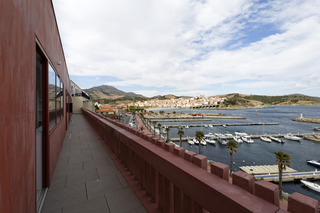
CPOB-Part 2 is a practical implementation with field work, theory acquired in the first semester. The Part-2 is devoted to the Mediterranean biodiversity. Naming the organisms is crucial to surveying biodiversity and identifying biodiversity hotspots. This course aims to provide the necessary tools to start studies involving the taxonomy of marine organisms such as zooplankton, ichtyo-, macro-fauna as well as phytoplankton and macrophytes. The course relies on lectures, field sampling and laboratory work. It offers the opportunity to learn taxonomy, observe taxa in natural habitat and get an insight into their biology. This training course focuses on the fauna and flora of Banyuls sur Mer Bay. The course lasts three weeks in March and takes place at the marine station at Banyuls sur Mer, France (http: //wwwphp.obs-banyuls.fr/).
Course contents
This course is primarily aimed at students willing to improve their knowledge in diversity and taxonomy of marine organisms. It is a skills-based training course in Mediterranean taxonomy. In particular, this training course will focus on the taxonomy of representative invertebrates from coralligenous, Posidonia meadows and soft bottoms as well as on Mediterranean fish, plankton and macrophytes. Every day, there will be lectures on the selected taxa followed by hands-on with freshly collected samples during field expeditions. Sampled taxa will be observed under the binocular or optical microscopes at the laboratory and the taxonomic criteria will be applied to identify the organism. Moreover, a lecture session will be given with special insight into the biology of studied organisms (functions of respiration, nutrition, reproduction). Then, an observation session of taxa previously collected from the area of Gulf of Lion will exemplify and illustrate morphological details of the group of interest.
Final competences
- Acquire knowledge of taxonomy and biology of main Mediterranean phyla with emphasis on the diversity of Gulf of Lion.
- Develop the skills and abilities in sample handling (preparation and examination of the specimens under binocular and optical microscope) and using identification keys.
Further course information can be found here: https://studiekiezer.ugent.be/2026/studiefiche/en/C004345