Marine Ecotoxicology
At the end of the Course the student will have the capability to: describe main characteristics of chemicals and environmental distribution pathways; organize and plan a biomonitoring program, choose bioindicators, define appropriate analyses and biomarkers to investigate, identify the more appropriate methodological practices; evaluate problems and results related to biomagnification, bioaccumulation and toxicological effects at molecular, cellular and organismal levels; propose multidisciplinary, weight of evidence approaches in ecosystem health and ecological risk assessment. The student will acquire transversal competences including the integration between chemical properties of environmental pollutants and their biological effects: chemical-physical characteristics of such compounds, sources of input and distribution among environmental matrices will be better evaluated in terms of mechanism of accumulation, detoxification, differences of responsiveness and sensitivity of various species. These transversal competences will be further enhanced by practical exercitations when students will acquire preliminary skills on analytical methodologies of chemicals in environmental matrices and biological tissues, as well as on toxicological measurements at molecular and cellular leve
Course contents
The course is focused on modern principles of environmental toxicology, from description of the main classes of traditional and emerging pollutants, to the toxicological implications on various biotic components and ecosystem health. Particular emphasis will be given to bioindicator organisms, molecular and cellular responses to pollutants, detoxification pathways and mechanisms of toxicity, practical use of biomarkers, biological and toxicity tests in research, normative guidelines and ecological risk assessment.
Final competences
- Knowledge on fate and distribution pathways of traditional and emerging pollutants.
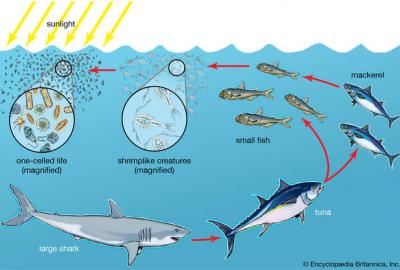
- Knowledge on bioaccumulation mechanisms and practical implications in 1 interpreting results of biomonitoring programmes, and predicting biomagnification risks.
- Knowledge on molecular and cellular mechanisms of detoxification, interactions and toxicity of chemical mixtures and multiple stressors.
- Knowledge on principles and practical use of organismal toxicity in regulatory and normative guidelines.
- Understanding advantages and limitations of multidisciplinary approaches and basic knowledge on weight of evidence models in ecological risk assessment.
Further course information can be found here: https://studiekiezer.ugent.be/2026/studiefiche/en/C004351